


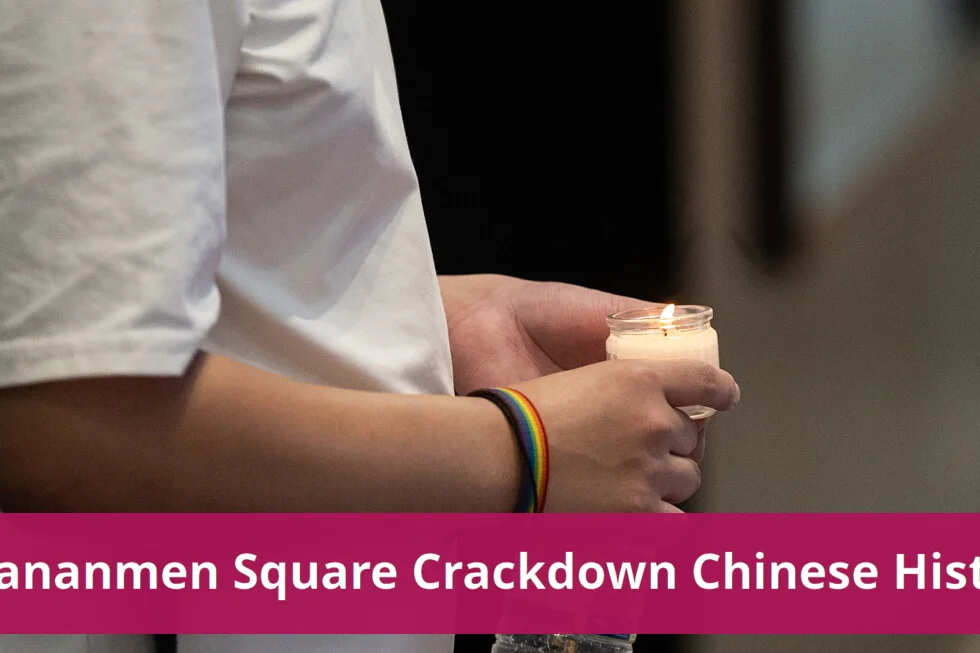
Chinese authorities are erasing memories of the deadly 1989 Tiananmen Square crackdown, according to the Associated Press. This announcement comes as police denied relatives access to the graves of victims on the anniversary of the protests, which took place in Beijing on June 4, 1989.
What happened
Chinese police informed relatives of Tiananmen massacre victims that they would not be permitted to visit a cemetery in Beijing on the anniversary of the crackdown. A source, speaking anonymously due to fear of retaliation, noted that this continues a yearslong campaign to eliminate public remembrance of the events. For over 30 years, members of the group known as Tiananmen Mothers have visited their loved ones’ graves, distributing memorial statements while under police surveillance.
The 1989 crackdown resulted in hundreds, possibly thousands, of deaths as troops confronted protesters in Tiananmen Square. The Chinese Communist Party’s decision to utilize military force was pivotal, leading to rapid economic reforms without political liberalization. “The sacrifice of our family members is an indelible pain etched in our hearts,” stated Zhang Xianling of Tiananmen Mothers.
Why it matters
The suppression of remembrance surrounding the Tiananmen Square protests represents a significant challenge to free expression in China. Amnesty International condemned the actions, stating, “Banning the relatives of people killed in the Tiananmen crackdown from visiting their loved ones’ graves is a heartless act by the Chinese authorities.” This denial of commemoration reflects a broader trend of censorship in the country.
Background
On May 27, 2026, the Chinese government intensified efforts to suppress open acknowledgment of the Tiananmen protests, marking 37 years since the event. In Hong Kong, police imposed heightened security measures around parks traditionally used for memorial vigils. Authorities had banned these vigils since 2020 under the guise of health concerns related to the pandemic.
What’s next
Upcoming developments include potential responses from international organizations and governments to continue addressing human rights violations in China. Notably, three vigil organizers face ongoing legal proceedings under Hong Kong’s national security law, with sentencing expected in the coming weeks.
