


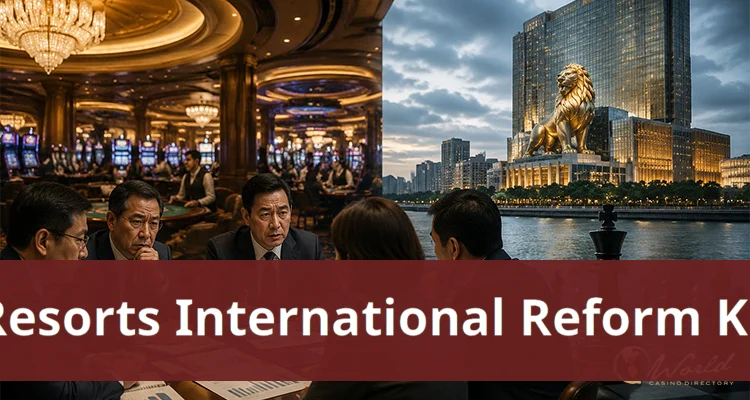
Casino operators and tourism experts in South Korea are urging government reform as Japan moves closer to opening a large-scale integrated resort in Osaka, according to The Korea Times. This development poses a significant competitive threat to South Korea’s gaming and tourism market, particularly with the Osaka resort expected to attract millions of visitors annually.
What happened
According to The Korea Times, stakeholders express concern that the MGM Resorts International-backed Osaka project, scheduled to open in 2030, could divert both tourists and spending away from South Korea. The report suggests that the Osaka resort could attract as many as 7.6 million South Korean visitors each year, leading to an estimated $1.9 billion in overseas spending.
The impact of this new development is not limited to private operators. State-linked casino companies, such as Grand Korea Leisure and Kangwon Land, alert that structural changes could affect the broader tourism ecosystem. Executives emphasize the necessity for faster administrative processes and a reevaluation of how casino destinations are positioned internationally.
Why it matters
The competition initiated by the Osaka resort places pressure on South Korea to innovate and adapt its tourism strategies. Both private and public casino operators argue that regulatory constraints hinder competitiveness in the evolving gaming market. An inability to respond quickly to market changes could tarnish South Korea’s reputation as a viable destination for international tourists.
Background
On May 20, 2026, discussions indicated that South Korea must improve its regulatory environment to support the casino sector amid rising global competition. Stakeholders began voicing their concerns in light of Japan’s advancements in integrated resort development, particularly with the formidable $10 billion Osaka project on the horizon.
What’s next
In response to these competitive pressures, South Korean casino operators are urging regulatory reforms and will continue to outline their long-term investment plans, such as Kangwon Land’s KRW3 trillion ($1.9 billion) investment aimed at expanding non-gaming facilities by 2030.
