


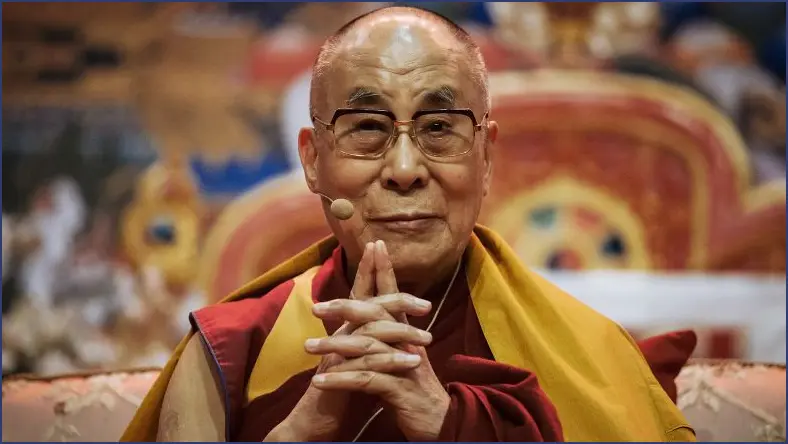
Dalai Lama’s Role in Tibet’s Struggle
For much of the last century, the Dalai Lama has symbolized Tibet’s fight for increased freedoms within the rule of the Chinese Communist Party. Even from exile, he has continued to advocate for this cause, even as an increasingly assertive Beijing intensifies its efforts to suppress it.
Approaching a Crossroad
As he nears his 90th birthday this Sunday, the spiritual leader for millions of Tibetan Buddhists is preparing for a significant confrontation with Beijing concerning the authority over his reincarnation.
Authority on Reincarnation
On Wednesday, the Dalai Lama declared that he will appoint a successor after his passing and that his office will maintain sole discretion over identifying that reincarnation.
A Central Belief
The concept of rebirth is central to Tibetan Buddhism. Distinguished spiritual figures like the Dalai Lama are believed to consciously choose their incarnations, guided by compassion and prayer, to support all sentient beings.
Geopolitical Ramifications
The current Dalai Lama’s reincarnation is vital not just to Tibetan Buddhism but also serves as a key factor in Tibet’s future with significant implications for geopolitical dynamics across the Himalayan region.
The Dalai Lama’s Influence
As his translator, Thupten Jinpa, notes, the Dalai Lama has been a unifying force for the Tibetan people. He points out that younger generations must prepare for a future without such a foundational figure, emphasizing the need for self-reliance.
China’s Stance
The Chinese Communist Party maintains it alone has the authority to designate the next Dalai Lama and other reincarnated high lamas. This battle underscores the regime’s desire to dominate a deeply rooted spiritual tradition, while the Dalai Lama insists that any Beijing-appointed candidate will lack legitimacy among Tibetans.
This version maintains the essence of the original article while presenting the information in a structured format.
