


Congressional Democrats are challenging a U.S. Department of Labor proposal to allow 401(k) investments in cryptocurrency, private credit, and private equity assets, according to the Guardian. They argue that this change could expose millions of workers to risky and complex financial products.
What happened
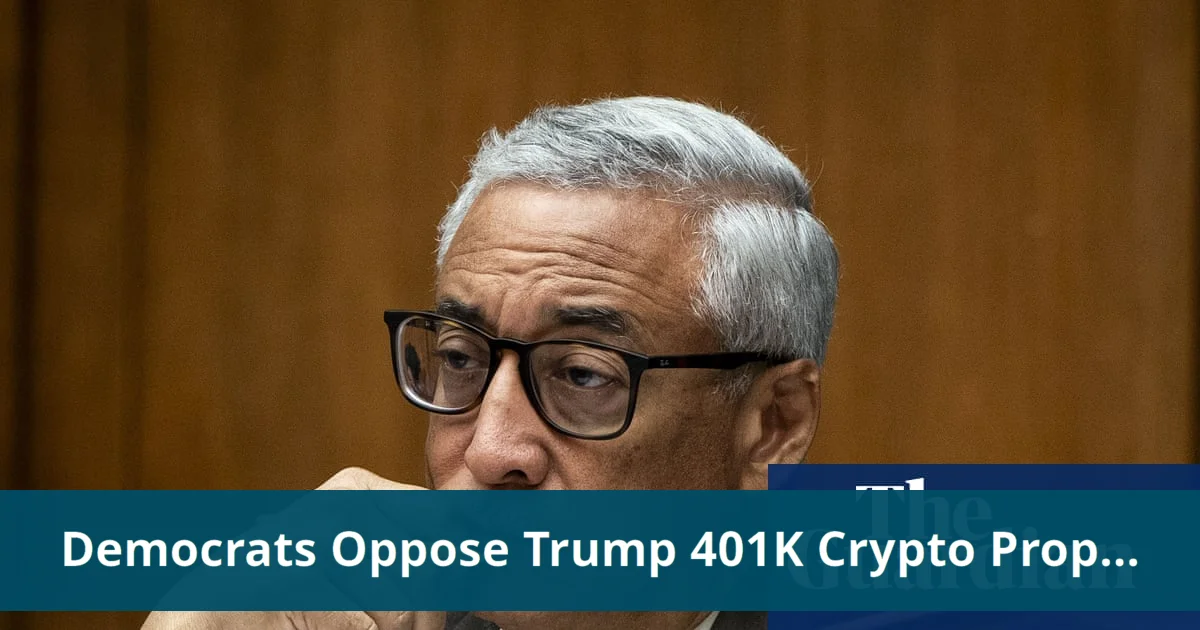
Senators Bernie Sanders and Elizabeth Warren, along with House education and workforce committee ranking member Bobby Scott, voiced their opposition in a letter. They stated that the proposal could impact an estimated $14.2 trillion in 401(k) retirement savings, leaving workers vulnerable to volatile investments. “This would strip long-held investor protections from retirement savers and encourage the use of more risky, complex, and expensive investments,” the letter asserted.
The Democrats highlighted the extreme volatility of high-risk assets. They referenced Trump’s memecoin, which surged to over $75 per token during his inauguration in January 2025 but has since plummeted to $2. Concerns extend to seniors in the U.S., with more than 22.8% living in poverty according to the Organisation for Economic Cooperation and Development (OECD).
Why it matters
By allowing 401(k) investments in cryptocurrencies, the proposed rule could significantly affect workers’ retirement savings. The risks associated with crypto investments might lead to higher fees and diminished long-term returns. Consumer advocates argue that the change serves the crypto industry rather than safeguarding workers’ financial futures.
Background
On March 30, 2023, the Department of Labor announced the proposal to permit 401(k) investments in a broader range of assets, including cryptocurrencies. According to the department, this move aims to offer workers more diverse investment options.
In response, the Trump administration has defended the proposal, asserting that it empowers retirement account managers to explore all investment possibilities responsibly. “Our rule clearly spells out that managers must evaluate any and all potential product offerings,” stated Acting U.S. Labor Secretary Keith Sonderling.
What’s next
The Department of Labor has not yet provided further comments. Review and potential debate by Congress are expected in the coming months.
