


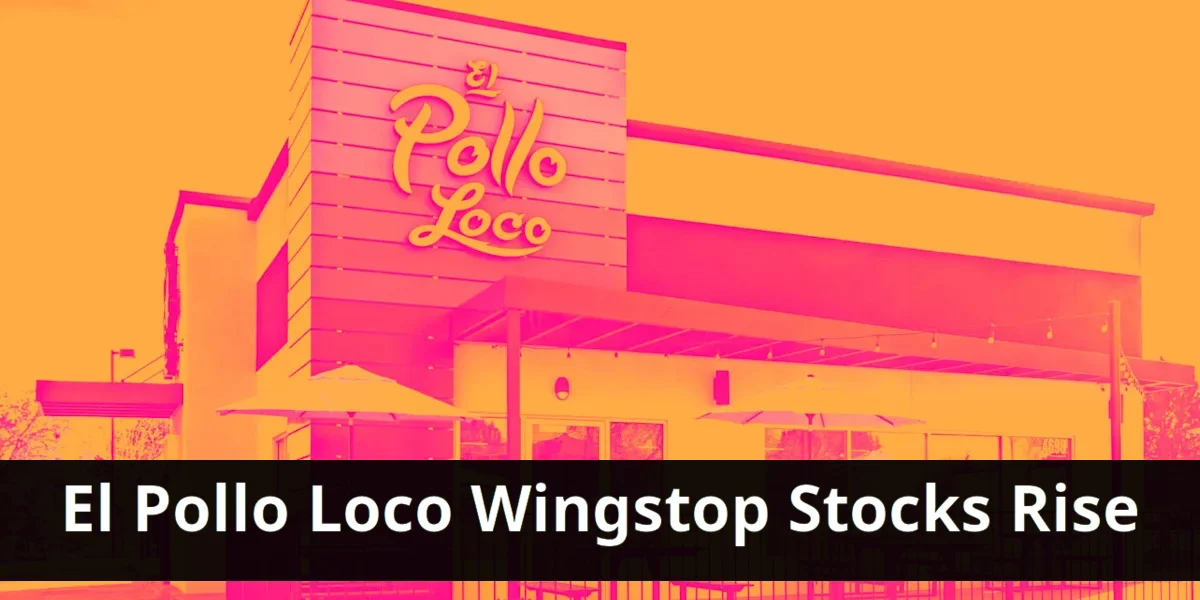
El Pollo Loco and Wingstop stocks traded up, according to CR Today. Stock prices rose significantly on May 27, 2026, following a substantial drop in WTI crude oil prices, helping reduce financial pressure on consumers.
What happened
A number of stocks jumped in the afternoon session after WTI crude fell below $70 per barrel, easing pressure on consumer wallets. Wendy’s surged 30%, driven largely by retail enthusiasm and a CFO change, while broader quick-service and casual dining stocks like McDonald’s and Darden also benefited from the macro tailwind. Oil prices dropped 3%, reaching their lowest levels since early March.
This decline acts as a de facto tax cut for middle- and lower-income consumers. The restaurant sector, particularly quick-service, is highly sensitive to gas prices. When it costs less to fill up a car, consumers have more discretionary income to spend on dining out. This read-through is crucial right now, as restaurants have recently warned of traffic slowdowns due to inflation fatigue.
Cheaper energy provides a much-needed catalyst for traffic recovery, though wage inflation remains a risk to restaurant operating margins.
Why it matters
The stock market often reacts strongly to news, and significant price drops can provide attractive buying opportunities for high-quality stocks. El Pollo Loco’s shares, for instance, are not very volatile and have only had three moves greater than 5% over the past year. Today’s stock movement reflects the market’s consideration of the news as significant.[2]
El Pollo Loco is up 56.5% since the beginning of the year, setting a new 52-week high at $16.15 per share. Despite this gain, long-term investors who bought $1,000 worth of shares five years ago would only see $895.40 today.[1]
Background
On May 13, 2026, El Pollo Loco’s stock gained 4.3% after the Consumer Price Index data revealed that food away from home rose only 0.3% in May, well within manageable range for operators. This prior increase marked a significant moment for the brand amid broader inflation concerns.[3]
Moreover, the upcoming World Cup, kicking off in host cities in the U.S., Mexico, and Canada, is expected to provide further momentum to the restaurant industry. Historically, such events led to notable food and beverage spending increases in host areas.
What’s next
The World Cup tournament runs through July 19, 2026, and restaurants in host cities are expected to benefit directly from increased customer traffic and spending. Major companies like Goldman Sachs and Deutsche Bank have identified restaurant stocks near stadium venues as key beneficiaries of this event.
