


Spain’s Tennis Dominance Continues
A Remarkable Rise
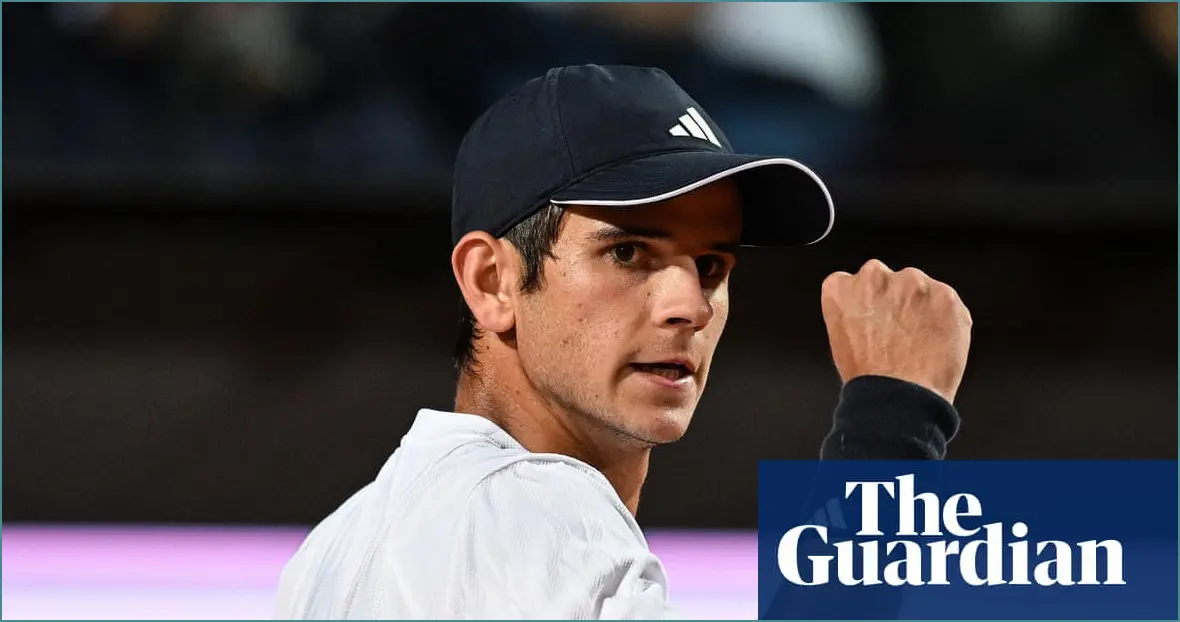
Spain is back in the spotlight. A year ago, Rafael Jodar, a teenage star from Madrid, was ranked around No. 700 globally and completing his freshman year at the University of Virginia. After securing multiple ATP Challenger titles, he opted to turn professional, giving up his remaining college eligibility. He achieved his first main-level ATP victory at this year’s Australian Open and will shockingly appear as one of the top 32 seeds at the upcoming French Open.
New Faces, New Expectations
Dubbed the “new Rafa,” Jodar, though inspired by Rafael Nadal, carries the name of his father and grandfather. He has captured the attention typically reserved for Brazilian João Fonseca, who also turned professional instead of fulfilling his commitment to college tennis at Virginia. This shift raises the question of whether their college team would have become one of the best ever.
A Legacy of Success
Spain has enjoyed over 30 years of extraordinary success in men’s tennis, beginning with Sergi Bruguera’s back-to-back French Open titles in 1993 and 1994. The era has seen six Spanish players win grand slam titles, with Rafael Nadal’s 22 major championships once thought to symbolize the pinnacle of this dominance. Yet, Carlos Alcaraz quickly followed, claiming his initial major title at the 2022 US Open, despite currently being sidelined by a wrist injury.
Historical Context
The situation is reminiscent of Sweden’s prominence in the sport during the 1970s and 80s. Björn Borg, a legendary player, secured 11 grand slam titles in a short span, followed by Matz Wilander and Stefan Edberg, highlighting how cultural influences mirrored sporting success.
Evolution of Spanish Tennis
Jodar’s aggressive style of play challenges the stereotype that Spanish players excel only on clay courts. Nadal triumphed at Wimbledon in 2008, and Alcaraz proved himself as an all-round player. The transformation began in the early 1970s when Spain’s dictator ordered the construction of numerous clay courts, establishing a foundation for future players.
Coaching and Mental Fortitude
The coaching techniques from 50 years ago have become global standards. Pato Alvarez and Lluis Bruguera were crucial figures in shaping modern Spanish tennis, emphasizing movement, consistency, and mental resilience. This focus on overcoming adversity is a hallmark among recent Spanish champions, as both Nadal and Alcaraz have expressed the importance of experiencing and embracing “suffering” during matches.
The Future Looks Bright
Despite the effectiveness of the Spanish tennis model, other countries find it challenging to replicate. Some, including Andy Murray, have benefited from training in Spain, but it takes inherent talent and attitude to succeed. The evolution of the sport itself favors the Spanish style, leading to a strong pipeline of emerging talent like Jodar and 20-year-old Martín Landaluce.
