


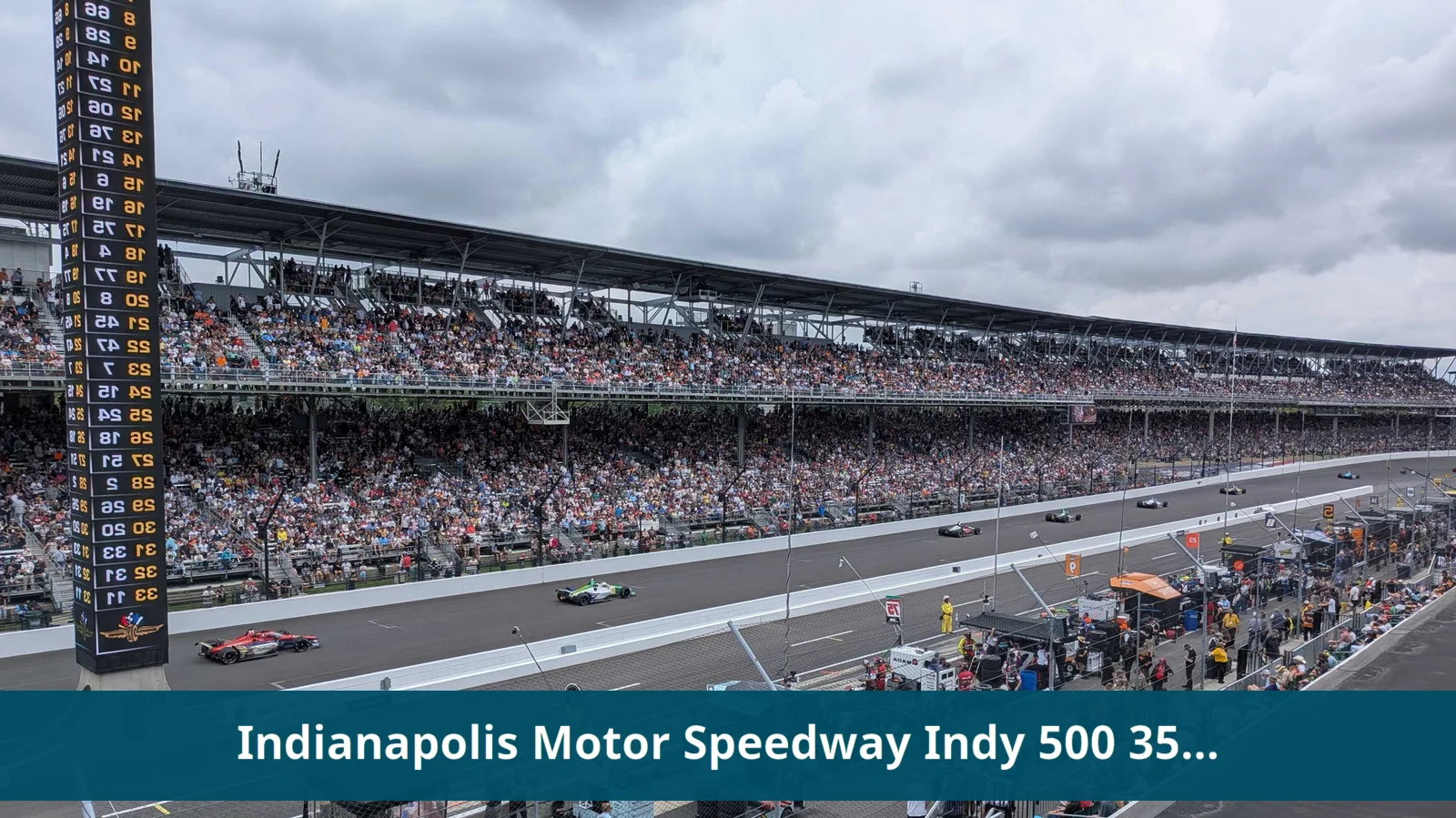
The Indy 500 attracted more than 350,000 racegoers, according to Jalopnik. Held on May 28, 2026, at the Indianapolis Motor Speedway, the race offered a surprisingly pleasant atmosphere rather than the chaotic environment many expected.
What happened
Despite the massive attendance, the experience at the Indy 500 proved far from overwhelming. The author described navigating the event easily, stating, “It just didn’t feel that crowded,” even with a record number of attendees. This observation contrasted sharply with typical experiences at other large sporting events, where crowds often inhibit free movement.
The weather, featuring cooler temperatures and threats of rain, potentially influenced crowd behavior, with fewer attendees wandering around at the same time. However, most attendees remarked that the atmosphere felt standard for the Indy 500, thanks to the venue’s size, which is built to accommodate large crowds.
Why it matters
Understanding attendees’ experiences affects future event planning at the Indy 500 and beyond. A more manageable crowd can enhance the overall enjoyment for families and casual spectators, who might otherwise avoid such large gatherings. A shift in perceptions could lead to increased attendance and broaden the event’s appeal, especially for newcomers.
Background
On May 20, 2026, preparations for the race began, with heightened expectations regarding party atmospheres and crowd behavior. Anticipation built over the years as fans shared stories about the notorious raucousness associated with the event, influencing public perception.
What’s next
Looking ahead, the Indianapolis Motor Speedway plans to host the next Indy 500 on May 27, 2027. Stakeholders are likely to continue refining the spectator experience while maintaining the race’s reputation as an exciting motorsport event.
