


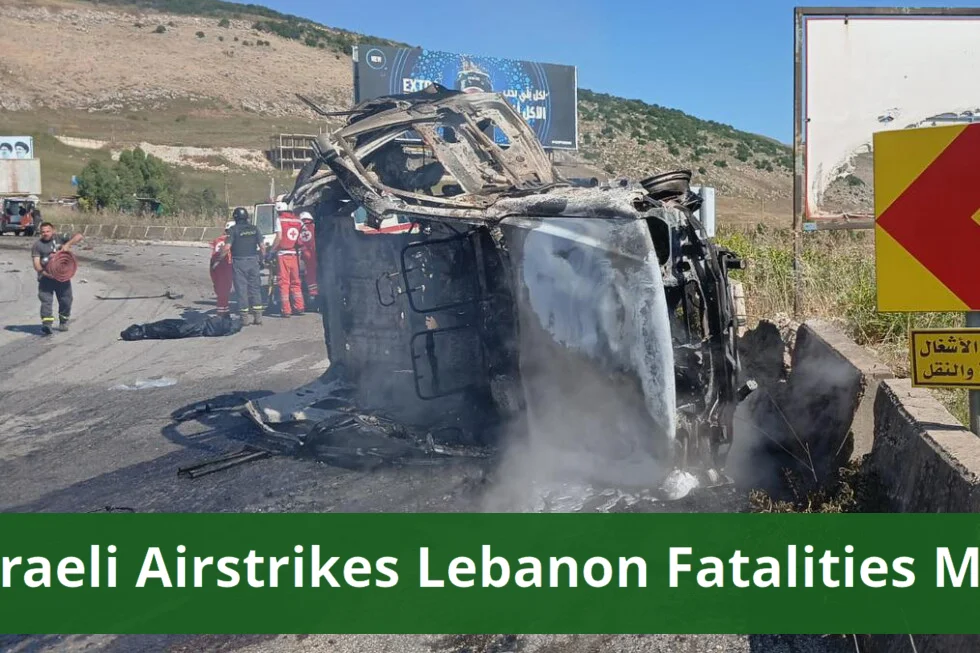
Israeli airstrikes on southern Lebanon killed nine people, including three members of the Lebanese military, according to AP. The strikes occurred on Saturday, May 27, 2026, shortly after a new ceasefire deal was reached between Israel and Lebanon.
What happened
Israeli airstrikes targeted southern Lebanon, resulting in nine fatalities, including a brigadier general, a captain, and another soldier from the Lebanese military. The strikes included an attack on a vehicle near Kfar Tibnit village, described by the Israeli military as “moving suspiciously” toward their forces. Another airstrike in Saksakiyah village killed six individuals and injured four, reported Lebanon’s National News Agency.
“This continued, deliberate, and repeated Israeli aggression aims to thwart efforts toward a solution,” said the Lebanese army.
Lebanon’s President Joseph Aoun condemned the airstrikes, labeling them a “flagrant violation” of the nation’s sovereignty and international law. He argued that these actions threaten the stability and security of the region.
Why it matters
The situation poses significant risks for regional stability. Lebanon’s ongoing conflict with Israel has already resulted in extensive loss of life and displacement, complicating any potential resolution. More than 3,500 people have died in Lebanon since the hostilities began, exacerbating humanitarian concerns.
The Israeli military’s operational focus remains on combating Hezbollah, which they assert poses an imminent threat to their forces. However, the collateral damage to the Lebanese military raises questions about the potential for further escalation.
Background
On May 20, 2026, U.S.-brokered talks resulted in a new ceasefire agreement between Israel and Lebanon. This came amid accusations that Hezbollah was provoking conflict and hindering peace efforts. Despite the ceasefire, Hezbollah has repeatedly rejected the terms and has threatened further escalations.
Since March 2, 2026, when hostilities reignited with Hezbollah firing rockets into northern Israel, the conflict has intensified, with Israeli ground troops advancing deeper into Lebanese territory than at any time since the 1982-2000 occupation.
What’s next
Further military engagements are anticipated as tensions remain high. Israeli military officials indicated their readiness to respond to threats from Hezbollah, while diplomatic efforts to stabilize the region are ongoing amid the backdrop of U.S. negotiations with Iran regarding broader Middle East issues.
