


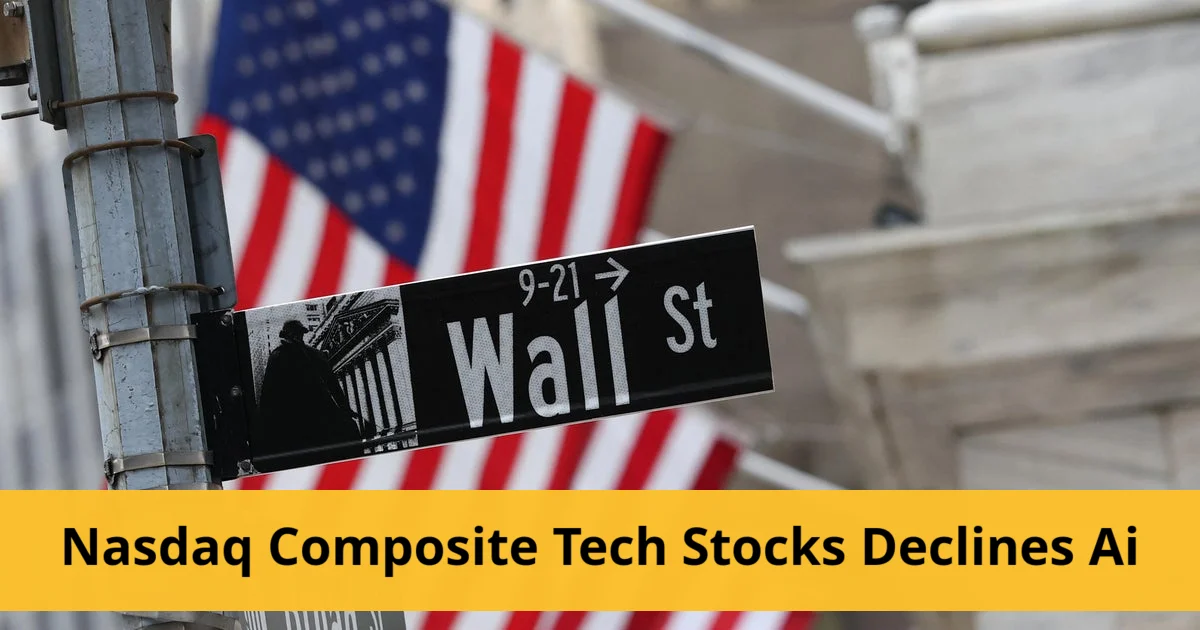
Tech stocks tumbled for a second consecutive day as investors expressed doubts about the profitability of artificial intelligence, according to CBS News. On May 27, 2026, the Nasdaq Composite dropped 628 points, or 2.4%, to 25,537, adding to a prior loss of 1.3% on Monday.
What happened
A significant selloff in technology stocks persisted into Tuesday amid growing skepticism regarding the financial returns from artificial intelligence investments. Investors have been questioning whether substantial spending by leading tech firms, such as Alphabet and Nvidia, will translate into tangible profits. The Nasdaq’s decline followed a 1.3% decrease on Monday, raising concerns across the market.[1]
Major indices like the Dow Jones Industrial Average and S&P 500 also reported losses; the Dow fell 305 points, or 0.6%, while the S&P 500 dropped 1.6%. Nigel Green, CEO of financial consultancy deVere Group, stated,
“Investors are now becoming more demanding. They want evidence that unprecedented spending will translate into unprecedented profits.”
In particular, SpaceX shares saw a significant drop of $4.09, or 2.7%, to $150.51 after a sharp decline of 16% the previous day. Despite initial enthusiasm following its initial public offering earlier this month, shares have now fallen for four consecutive trading days.
Why it matters
This selloff highlights a critical moment for investors, who are increasingly cautious about the sustainability of tech stock valuations. As market dynamics shift, the focus is now on measurable returns rather than optimistic forecasts. Such volatility poses risks for major companies that have relied heavily on projections driven by artificial intelligence innovations.[2]
Background
On May 20, 2026, tech stocks had been rallying, reaching record highs as investors poured billions into AI projects amid optimism that these efforts would spur revenue growth. However, the tide began to turn as analysts started questioning the real-world applications and profitability of these investments, creating an environment ripe for skepticism.[3]
What’s next
Investors will closely monitor upcoming financial reports, with a key inflation measure due on May 30, 2026, expected to reveal an increase to 4.1% in May from 3.8% in April. Additionally, traders anticipate a nearly 90% chance that the Federal Reserve will raise its federal funds rate at least once before the end of the year.
