


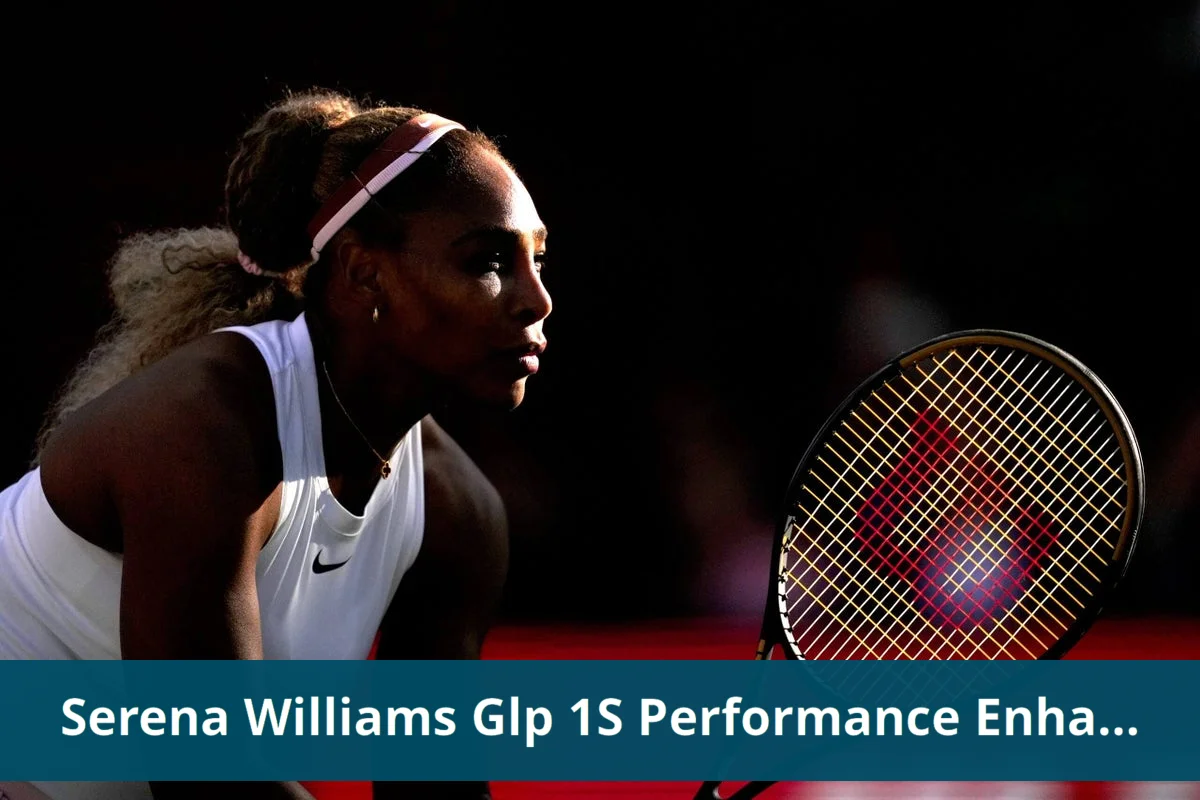
Serena Williams has returned to competitive tennis, according to The New York Times. The 23-time Grand Slam champion participated in women’s doubles at the Queen’s grass-court tournament in London. Williams and her partner, Victoria Mboko, claimed victory over the No. 3 seeds, signaling a potentially eventful summer in tennis.
What happened
Williams, 44, announced her comeback after nearly three years away from the courts. She had previously revealed that she had been using Zepbound, a GLP-1 drug also known for aiding weight loss. Reflecting on her decision, Williams said, “I couldn’t beat the weight. It was the one opponent I couldn’t beat.”
On June 6, 2026, Williams partnered with rising star Mboko, defeating a seasoned doubles team. As part of her ongoing health management, she collaborates with Ro, a telehealth firm. Her husband, Alexis Ohanian, has invested significantly in the company. According to reports, Williams has become a focal point in discussions around the ethical implications of using GLP-1 drugs in sports.
While not banned by anti-doping authorities, GLP-1 drugs, which have been monitored by the World Anti-Doping Agency (WADA) since 2024, remain a subject of scrutiny. The use of semaglutides and tirzepatides may alter athlete behavior, raising questions about their potential to enhance performance.[1]
Why it matters
The stakes in this debate are significant, as the boundary between therapeutic use and performance enhancement becomes increasingly blurred. If GLP-1s are deemed performance-enhancing, regulations on athletes like Williams could impact not only their careers but also the integrity of sports at large. WADA is yet to establish clear guidelines on the usage of these substances.[2]
Furthermore, Williams’ involvement as one of the highest-profile athletes utilizing GLP-1 treatment complicates the conversation about health and performance in elite sports. Her situation raises essential questions about access to medical advancements and their implications for competitive equity.[3]
Background
In August 2022, Williams announced her decision to “evolve away” from professional tennis but faced mounting pressures regarding a potential return. Following the birth of her second child in 2023, rumors circulated about her comeback ambitions. By the end of 2025, she was included in tennis’s anti-doping testing pool, marking her official re-entry into the sport.
Despite announcing in December that she would not return, Williams surprised fans in May 2026 by confirming her participation in key tournaments leading up to Wimbledon, including the Queen’s tournament.
What’s next
Williams is set to participate in additional matches in the upcoming weeks, although it remains unclear whether she will commit to singles tournaments. Further evaluations of GLP-1s’ implications in sports are expected from WADA, which will monitor their usage closely over the next six months.
