


The View from India
Recently, India and Pakistan experienced a brief but intense military conflict, which was indirectly influenced by China, as Pakistan utilized Chinese military equipment extensively. A senior Indian officer noted that Beijing provided real-time intelligence to Pakistan regarding Indian positions.
While India did not publicly criticize China during that time, it raised questions about the future of relations between Delhi and Beijing. Fast forward a few months, and discussions between these two major Asian nations gained momentum, influenced by developments from Washington, D.C.
The Trump administration introduced significant tariffs on Indian imports, citing India’s continued oil purchases from Russia as grounds for punishment. In response, India faced two clear choices: either comply with the U.S. and stop buying Russian oil or stand firm and explore other opportunities.
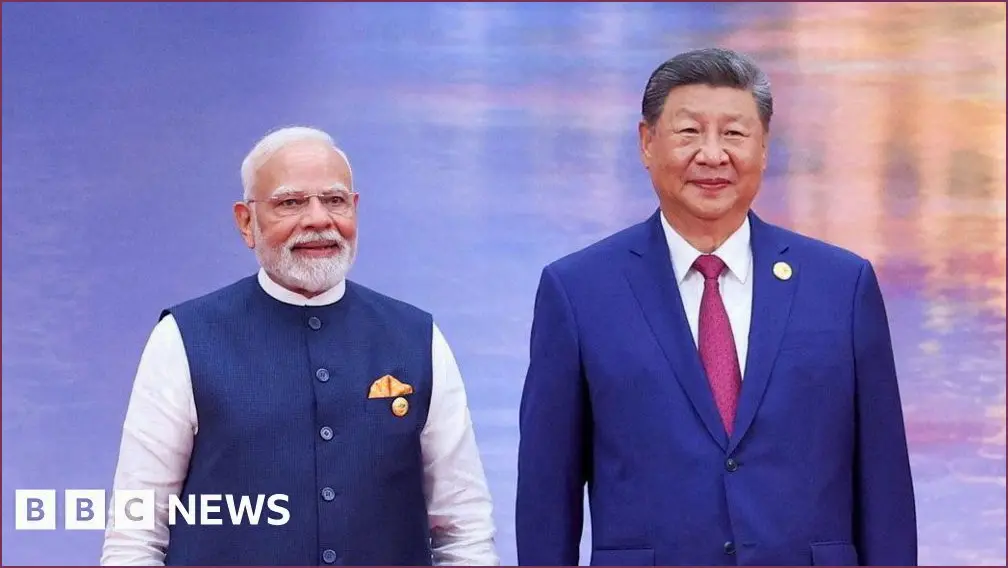
India’s decision seemed to align with the second option, recognizing the pragmatic necessity of engaging with its powerful neighbor, China. This context helped facilitate a recent meeting between Prime Minister Modi and Chinese President Xi Jinping in Tianjin.
The meeting, while lacking substantial details, resulted in renewed commitments such as the resumption of direct flights and simplified visa processes. Nonetheless, significant obstacles remain before achieving a more meaningful collaboration between the two nations, particularly concerning lingering border issues.
With thousands of troops stationed at contested borders and ongoing discussions to deescalate tensions, the future trajectory of India-China relations will depend on how these challenges are navigated.
The View from China
During their meeting, President Xi Jinping reiterated his vision for a collaborative China-India relationship, emphasizing the need for friendship between the world’s two most populous nations. Notably, Modi’s visit coincided with a period of heightened tariffs imposed by the U.S., prompting India to seek alternative economic partnerships.
Xi seems to recognize the opportunity to rebuild relations with India, especially given the current economic pressures stemming from U.S. policies. The official statements post-meeting reveal a willingness from both sides to repair their strained relationship, although numerous barriers still exist.
Historical tensions, particularly China’s support of Pakistan and ongoing border disputes, have contributed to mutual suspicion. However, recent diplomatic efforts have suggested a calming of hostilities, with China’s Defense Ministry highlighting progress in talks aimed at preventing border conflicts.
As Modi’s image is shared alongside Xi during these tariffs’ critical timing, the symbolic impact could serve as a powerful tool for both countries. The meeting’s broader context includes participation from various global leaders, fortifying ties before a significant military display in Beijing.
This paraphrase retains the original content’s main points while framing them in a new manner, complete with headings and structured paragraphs.
