


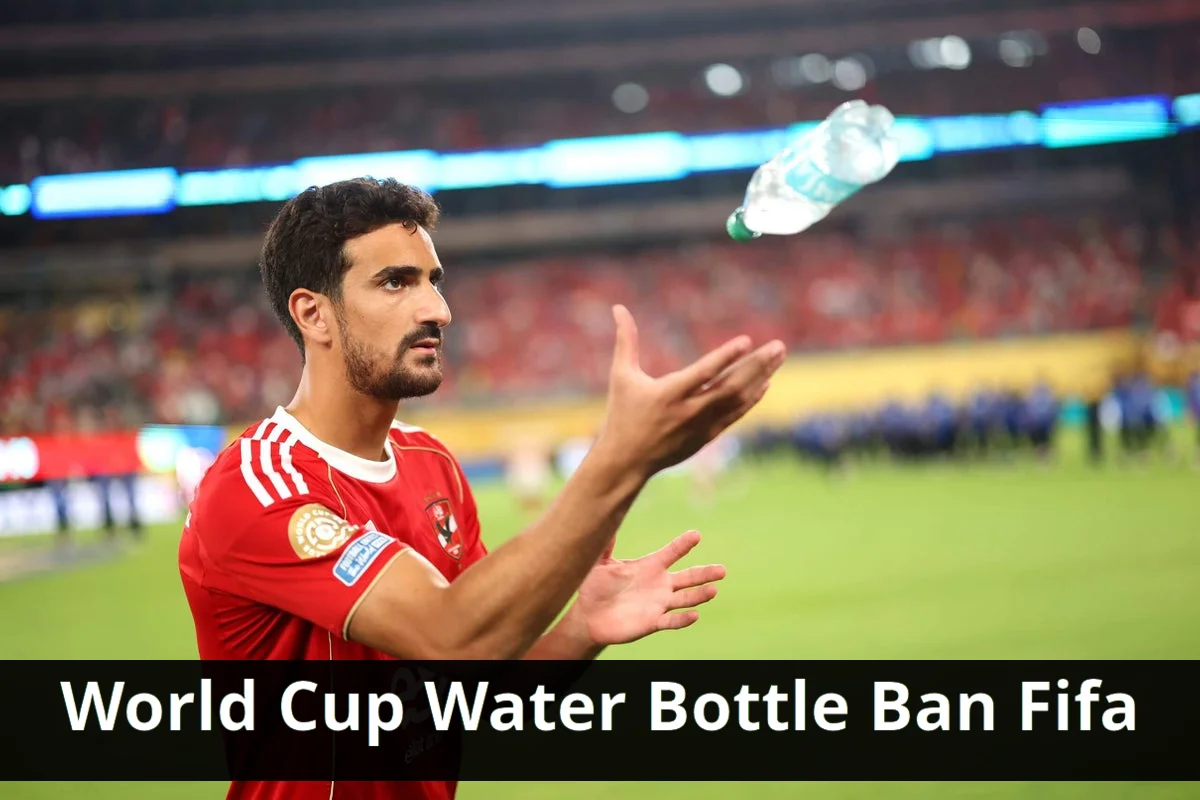
FIFA staff members raised concerns about a recent ban on fan water bottles, according to The Athletic. The internal debates emphasized fears that commercial interests influenced the decision. The ban comes as FIFA prepares for the World Cup in North America, set to take place this summer.
What happened
Members of FIFA’s security and safety teams expressed unease during discussions about the organization’s restrictive policy on water bottles. Insiders reported that tension has existed for months regarding the ban on water bottles at World Cup venues. “The decision to prohibit capped water bottles is based on a number of factors related to safety and security,” FIFA stated on Thursday.[2]
Three weeks prior to the announcement, FIFA’s public code of conduct allowed fans to bring an empty plastic water bottle into stadiums for refills. However, it appears that commercial considerations played a significant role in reversing that policy. Sources indicated that FIFA’s revenue-sharing agreements and sponsorship ties, especially with Coca-Cola, influenced this decision. Coca-Cola’s water product, Dasani, will be sold at the events.
Despite FIFA’s claims, some technicians within FIFA view the ban as a potential safety risk due to heat stress for fans during the summer. A notable backlash has emerged from various stakeholders, including fans and local officials, citing the need for accessible hydration during sweltering conditions.[1]
Why it matters
The decision to ban water bottles raises significant health and safety questions, particularly in light of expected high temperatures. With 26 of the 104 World Cup matches likely played in concerning heat conditions, access to water is essential for fan safety. Critics argue that prioritizing commercial interests over the well-being of attendees undermines FIFA’s commitment to fan safety.[3]
Background
On May 12, 2026, FIFA’s stadium code initially permitted fans to bring a plastic water bottle, reflecting a focus on health during the summer heat. Following this, on May 13, FIFA’s communication suggested conditional bottle allowances based on temperature. Yet, this policy devolved into the current outright prohibition, confirmed in an email to ticket holders this week.
What’s next
Local authorities, including Toronto’s city officials, are mobilizing to challenge FIFA’s policy. With the tournament approaching, ongoing discussions will unfold regarding water accessibility and potential actions by host cities to support fan well-being during the World Cup.
