


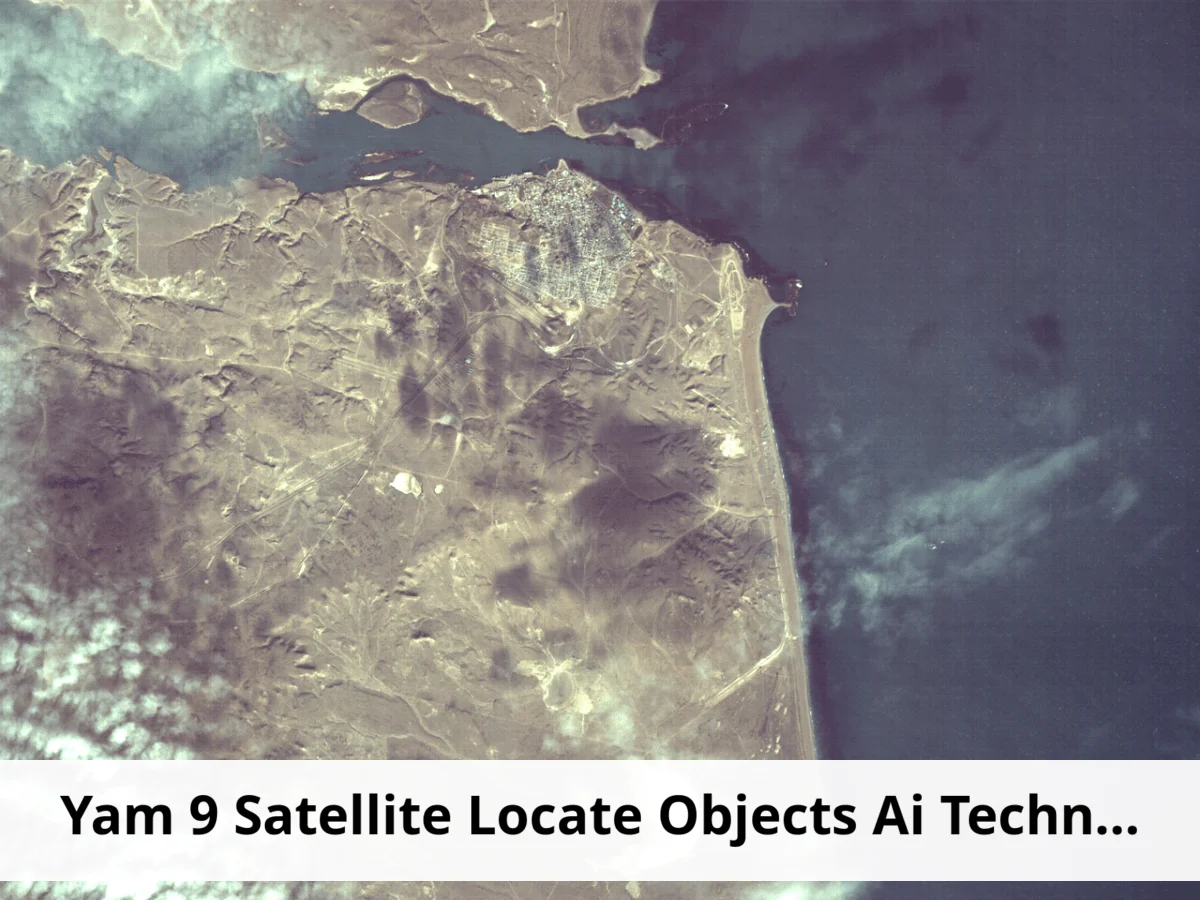
An Earth observation satellite has autonomously located objects in orbit, according to TechCrunch. This milestone, achieved in April 2026, showcases the application of advanced AI technology in space, offering significant implications for satellite operations and data analysis.
What happened
In April, an Earth observation satellite named Yam-9 successfully identified areas of interest on its own, without requiring human intervention. This achievement marks the first reported use of a vision-language model (VLM) in space, according to TechCrunch. The software package was developed by NASA’s Jet Propulsion Laboratory and allows the satellite to respond to natural language queries, facilitating specific searches in real-time.
The VLM, called Gemma 3 and created by Google DeepMind, is built for edge applications, enabling it to operate effectively on limited hardware. This model can analyze imagery and understand contextual nuances, making it capable of classifying sensor data related to urban development and infrastructure around transport hubs. Loft Orbital’s head of AI, Paul Lasserre, emphasized the significance of this technology, stating, “It opens the door to always-on, patrol layers in space.”
Why it matters
This development could dramatically enhance the utility of space sensors. By performing initial data triage in orbit, it can significantly reduce the volume of raw data that analysts need to process on Earth. In the long run, this technology represents a foundational step toward implementing larger-scale AI systems in space.
Background
On October 1, 2025, Loft Orbital launched the Yam-9 satellite as a precursor to its future AI initiatives. The satellite includes a Nvidia Jetson Orin AGX GPU, a leading chip designed for space computing. The company’s approach focuses on providing satellite platforms for various clients, resembling an infrastructure-as-a-service model rather than traditional satellite manufacturing.
What’s next
Following this successful demonstration, further advancements are anticipated. Loft Orbital plans to expand its satellite constellation to achieve real-time coverage of Earth, targeting between 50 and 100 satellites for comprehensive monitoring.
