


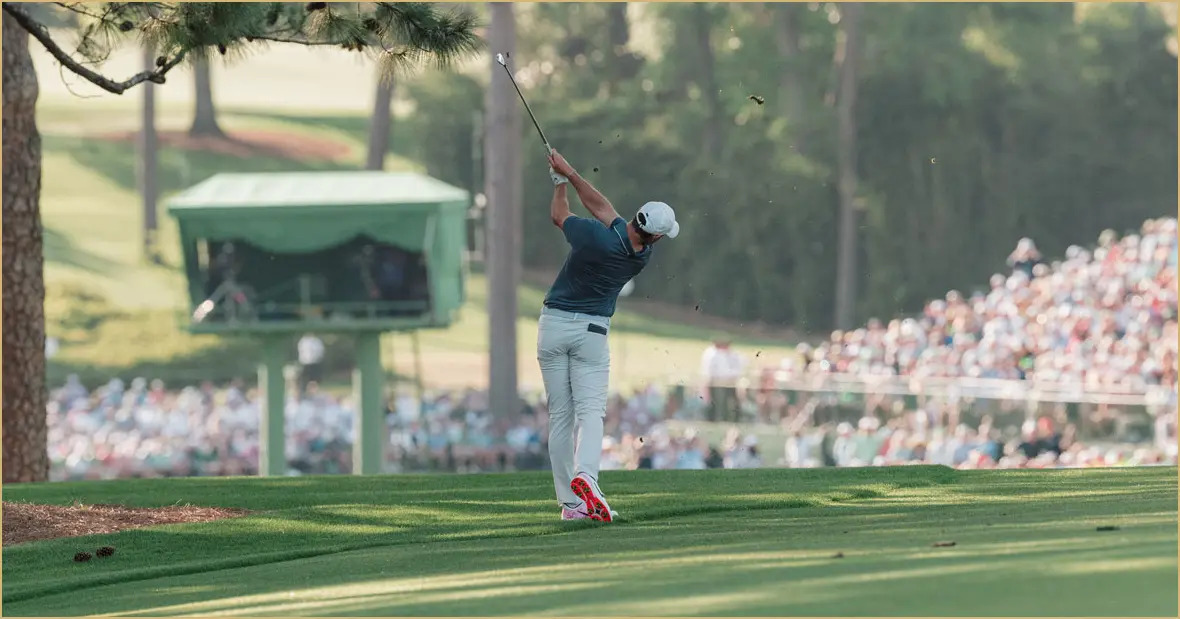
Contemplating Nostalgia
How long must a period elapse before nostalgia can begin to take root? This is a question I pondered while watching the documentary “Rory McIlroy: The Masters Wait” last week, produced by Amazon Prime in collaboration with Firethorn Productions, McIlroy’s production company. Although the documentary will be released to the public on March 30, early screenings have been made available to select golf media. If you’re interested in revisiting the most intense and emotional Masters Sunday in history, I highly recommend tuning in.
Emotional Highlights
One of my favorite aspects of the film is the interview footage with McIlroy’s parents, Gerry and Rosie, who really shine in this documentary. Regular readers of my newsletter will recognize why this resonates with me. Stories about parents who make sacrifices for their children’s dreams, and subsequently display immense pride in their child’s resilience, are incredibly moving. The McIlroys haven’t participated in interviews for years, but their love for Rory is palpable throughout the film.
A Personal Connection
I even experienced a personal twist early on in the documentary. My children were excited to hear their father’s voice posing a question to McIlroy during a press conference. It provided an excellent opportunity to discuss the deeper meaning of McIlroy’s well-known quote: “I’d go through 100 Sundays like this in order to get my hands on another major championship.” This moment effectively sets up the film’s main theme: the struggles endured make the ultimate reward worthwhile.
Intriguing Revelations
Midway through the documentary, there’s an interesting behind-the-scenes moment from the final round that had remained private until now. On the ninth hole, both McIlroy and Bryson DeChambeau hit their approach shots close to the pin, and there was ambiguity over who should play first. DeChambeau suggested flipping a tee to decide, a proposal that baffled McIlroy. He insisted on bringing in a referee to measure instead. Ultimately, McIlroy went first, made his putt, while DeChambeau missed and subsequently faded over the remaining holes.
Mixed Feelings
While there are many strong points in the documentary, some stylistic choices left me less thrilled, though opinions may differ. Director Drea Cooper includes stylized scenes where McIlroy, dressed in the same outfit he wore on that fateful Sunday, reenacts his shots. Augusta National allowed the crew to return and film from spots where pivotal shots were taken. While some scenes work well, the darker color grading makes it hard to tell if this was an artistic choice or a result of the gray weather on that filming day, contrasting with the perfect weather of that April Sunday.
On the Value of Time
Ultimately, my main takeaway is a desire for patience in producing documentaries like this one. The best sports documentaries (When We Were Kings, Senna, OJ: Made in America, The Last Dance, Hoop Dreams) share a common trait: enough time has passed that audiences crave the subject matter, fostering a sense of discovery. They evoke a longing for a bygone era, even for those who didn’t experience it. Releasing this documentary less than a year after the event feels counterproductive, as it implies that the wait—the countless Sundays leading up to that moment—truly enhances the reward.
