


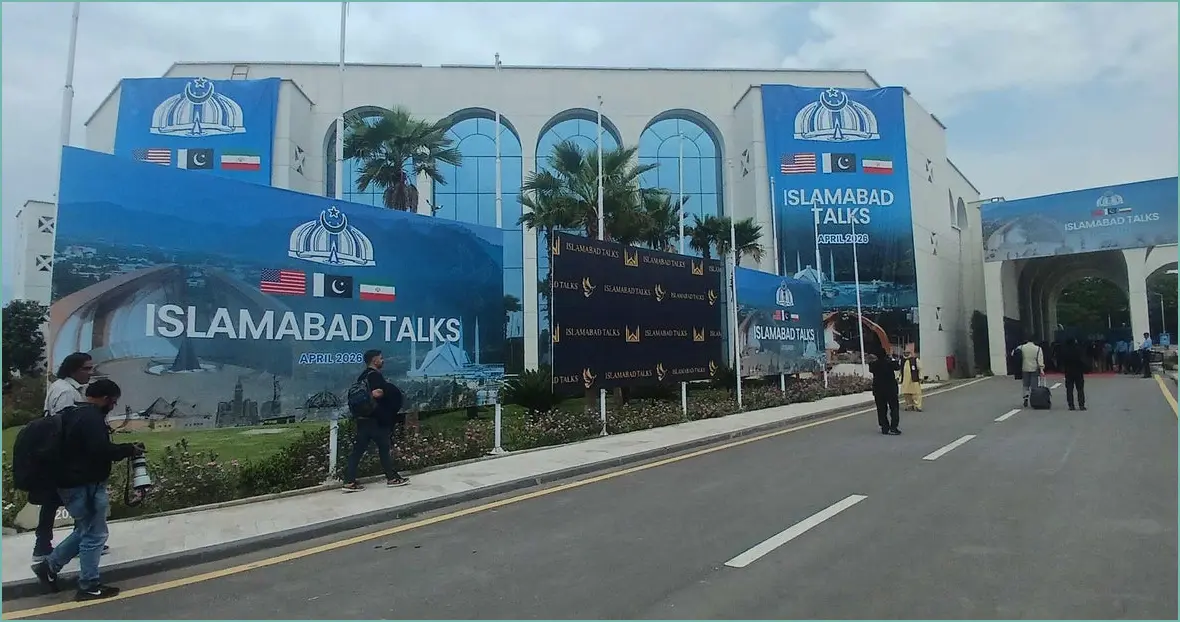
Pakistan’s Role as Diplomatic Intermediary
Washington — As Pakistan has attempted to act as a diplomatic bridge between Tehran and Washington, it reportedly permitted Iranian military jets to use its airfields, a move that might protect them from potential U.S. airstrikes, according to U.S. officials familiar with the situation.
Movements of Aircraft
In addition, Iran dispatched civilian aircraft to Afghanistan. However, it remains uncertain whether military planes were amongst those flights, as noted by two officials speaking to CBS News. These actions illustrate Iran’s efforts to safeguard its military and aviation assets amidst escalating tensions while publicly positioning itself as a mediator for peace.
Claims of Aircraft Presence
U.S. officials, who provided information under anonymity for national security reasons, revealed that shortly after President Trump declared a ceasefire with Iran in early April, Iran flew multiple aircraft to Pakistan Air Force Base Nur Khan, a significant military site near Rawalpindi. Among them was an Iranian Air Force RC-130 reconnaissance aircraft.
Pakistan’s Denial
A senior Pakistani official dismissed claims concerning Nur Khan Air Base, asserting that a large number of aircraft would be impossible to conceal in such a public location.
Iranian Aircraft in Afghanistan
According to an Afghan civil aviation official, an Iranian civilian aircraft from Mahan Air landed in Kabul before the conflict escalated. After Iranian airspace was shut down, the plane remained at Kabul airport. Subsequently, as Pakistan initiated airstrikes on Kabul amid rising tensions with the Taliban government, the Taliban moved the aircraft to Herat Airport for safety due to fears of bombing.
Pakistan’s Military Ties
Pakistan’s defense dependency on China has significantly grown over the last decade, with a study showing that around 80% of Pakistan’s major arms imports come from China between 2020 and 2024. Islamabad has sought to balance relations, positioning itself as a stabilizing factor to Washington while remaining cautious not to alienate Tehran or its influential ally, China.
Ceasefire and Ongoing Conflicts
Iran’s recent proposal to end the conflict included demands for U.S. reparations, acknowledgment of its sovereignty over the Strait of Hormuz, and lifting American sanctions. This proposal was revealed after President Trump termed Iran’s counteroffer as “TOTALLY UNACCEPTABLE.” Following this, small-scale confrontations persisted around the Strait of Hormuz, highlighting the tenuous nature of the ceasefire. Additionally, reports surfaced about Iranian drones targeting the United Arab Emirates, signaling continued unrest in the region.
