


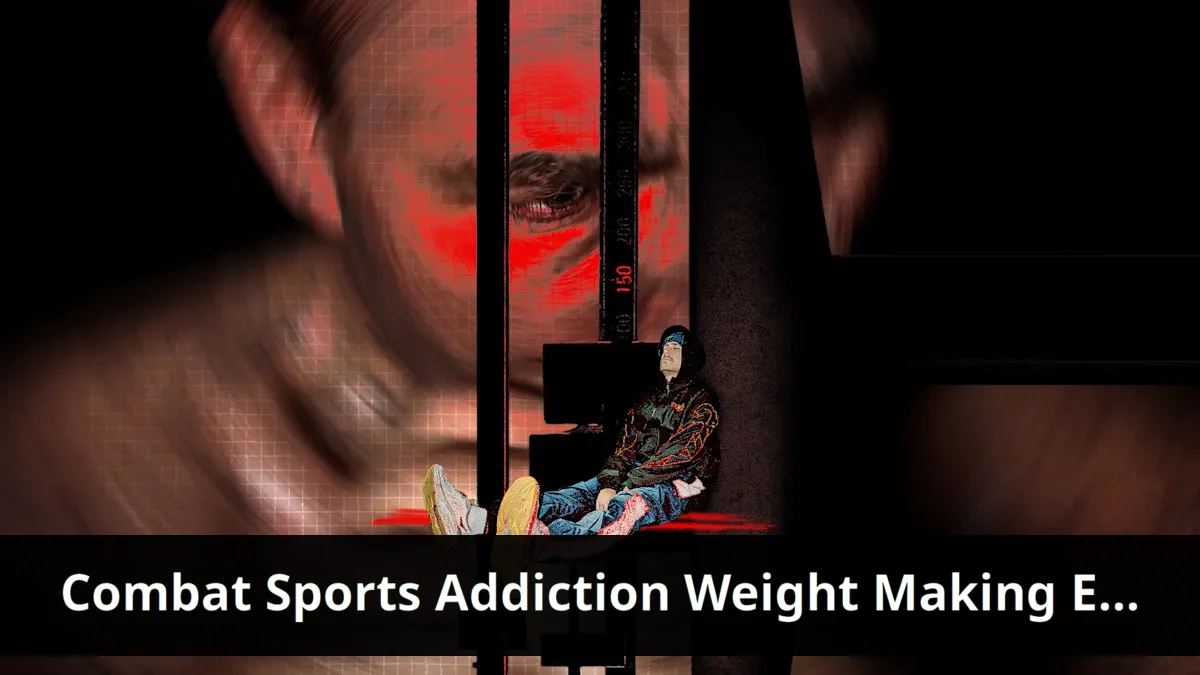
A reporter undertook a grueling weight-cutting experience similar to professional fighters, according to CR Today. The endeavor sought to highlight the physical and mental challenges of making weight, a critical yet dangerous aspect of combat sports, which often goes unnoticed outside the ring.
What happened
The reporter navigated a self-imposed six-week weight-cutting challenge, aiming to reach a target of 154 pounds, a common super welterweight division weight. “Making weight is often the hardest part of a fighter’s job,” shared former cruiserweight champion Tony Bellew. Along the way, the physical toll became apparent, with the reporter experiencing increased fatigue, mood swings, and intense thirst.
“I’ve never made weight myself, but the toll of this process is eye-opening,” the reporter noted, emphasizing the drastic lifestyle changes a fighter endures during training camps.
Tragic cases illustrate the risks involved in extreme weight cutting. In 2015, 21-year-old MMA fighter Yang Jian Bing died due to severe dehydration while making weight for a bout. Three deaths in 1997 also drew attention to the dangers of rapid weight loss in combat sports.
Why it matters
The stakes of weight cutting in combat sports are significant, impacting athletes’ health and performance. Dehydration can hinder cognitive function and reaction times, which are crucial for safety and success in the ring. Dr. Neil Scott, Chief Medical Officer for the British Boxing Board of Control, stated, “Dangerous weight-cutting is not a sign of professionalism; it is a medical risk,” emphasizing the need for educational reform in the sport.
Background
On May 20, 2026, the reporter began experimenting with cutting weight, trying to imitate conditions faced by professional fighters. The goal was not just about hitting a number but understanding the mental and physical strains associated with extreme dehydration and calorie restriction.
Previous accounts from fighters, such as David Lemieux, reveal harsh realities; he recollected instances where he felt compelled to risk his health to meet weight limits. “I had nothing left to lose,” he recalled when describing painful experiences during weight cuts.
What’s next
The reporter plans to examine the professional responses to weigh-in day as well as the rehydration process following the weight cut. Insights from nutritionists and boxer perspectives on the practice will be pivotal in understanding better methods for managing weight in combat sports.
