


Utah’s Surge in Sweepstakes Casino Lawsuits
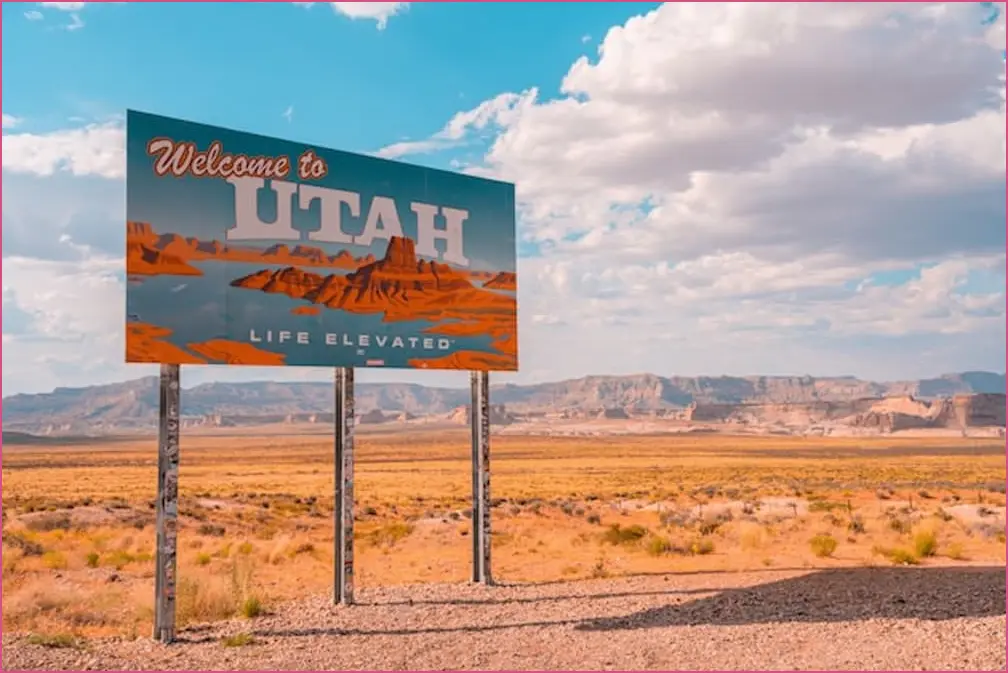
Utah is becoming a focal point in the rising tide of class action lawsuits against sweepstakes casinos, with 15 suits recently filed in the state—12 on Sunday, November 2 alone, as reported by gaming lawyer Daniel Wallach.
Details of the Lawsuits
The lawsuits filed on Sunday target operators such as ARB Gaming (Modo), Blazesoft (Zula, Sportzino), B2Services (McLuck and Hello Millions), VGW (Chumba Casino and LuckyLand Slots), KHK Games (Clubs Poker), and others. These cases build on three others filed the previous week against Yellow Social Interactive (Pulsz), The Money Factory, and FSG Digital (Jefebet).
Reasons Behind Utah’s Popularity for Filings
Wallach pointed to Utah’s strict gambling regulations and its statutory double-damages provision as attractive factors for new lawsuits. Under Utah Code § 76-10-1113, individuals who suffer losses due to illegal gambling can seek to recover twice their losses plus attorney fees.
The Definition of Gambling in Utah
Utah law broadly defines gambling. Utah Code § 76-10-1101(4)(a) states that gambling involves risking anything of value on an outcome determined by chance. As all forms of gambling, including lotteries and raffles, are prohibited, there is little room for interpretation.
Expanding Legal Landscape
The number of lawsuits against sweepstakes casinos has been rapidly increasing, with about 50 class action suits nationwide in July, rising to over 100 by early November. Plaintiffs argue against platforms like Chumba Casino and Stake.us for illegal activities by selling virtual coins redeemable for cash prizes.
The Role of Arbitration Clauses
Sweepstakes casinos often use arbitration clauses and class-action waivers that have been effective in dismissing lawsuits. However, courts have occasionally found these agreements to be excessive, particularly if they limit legal remedies or bind consumers unfairly.
Pressure from Tech Changes
A recent update from Google significantly impacts the environment for sweepstakes casinos. On October 28, Google altered its Gambling and Games Advertising Policy, reclassifying sweepstakes casinos as gambling products, thus requiring compliance with stricter regulations. This change aligns with concerns from state regulators and strengthens arguments against these casinos as operating similarly to traditional gambling venues.
