


Drone Footage Reveals Opulence and Symbolism
Drone visuals captured a lavish estate in northern Hungary, featuring impeccably kept gardens, a swimming pool, and an underground garage. However, it was the sight of zebras racing across the fields that truly fascinated many Hungarians.
Political Connections and Public Outrage
The estate belongs to the father of Prime Minister Viktor Orbán, shedding light on the significant wealth held by his associates, especially as many in Hungary face rising poverty. The zebras, originating from a property owned by Orbán’s close ally, Lőrinc Mészáros, quickly became a national symbol; plush toys were sold in protests, and videos surfaced of people embarking on quests to spot the zebras, which also appeared on government billboards.
A Symbol of Corruption
Independent MP Ákos Hadházy noted that the zebras came to signify the profound corruption within the system. This public sentiment has contributed to a growing opposition movement, placing Orbán at risk of being removed after 16 years in power.
Upcoming Elections and National Sentiment
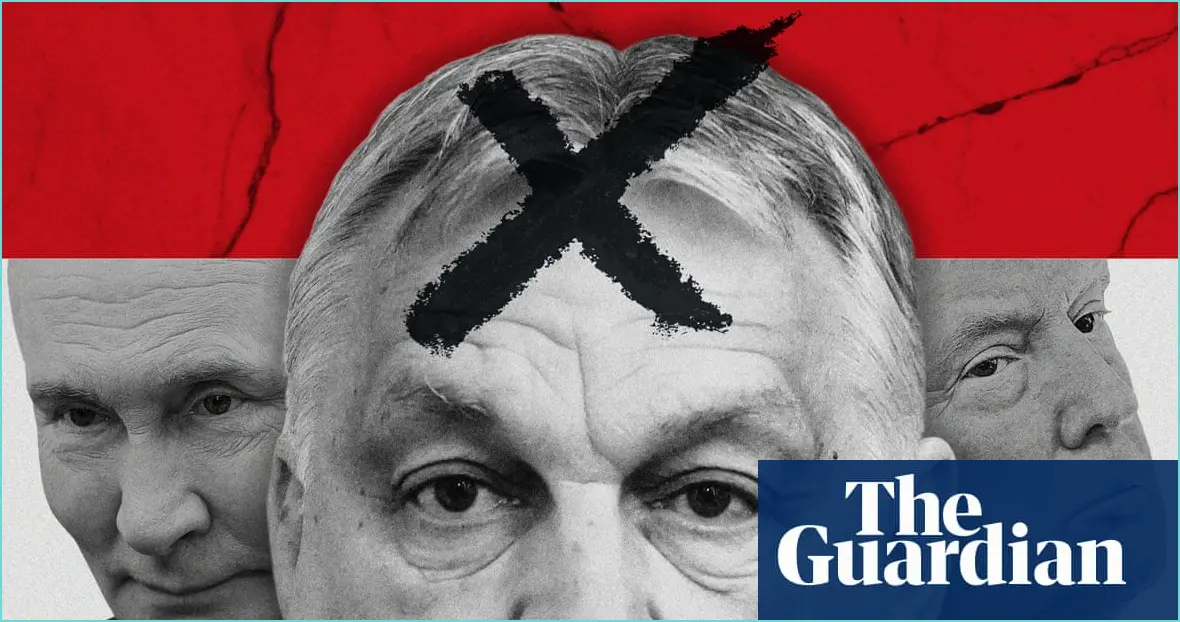
The scale of this opposition will become clear as Hungarians prepare to vote in an election perceived as the most crucial since the end of communism in 1990. Polls indicate that Orbán’s Fidesz party, which has instigated an “illiberal” shift in Hungary, could potentially lose power, impacting far-right movements globally.
Historical Context and Democratic Erosion
Anita Orbán of the opposition Tisza party remarked that this election parallels Hungary’s pivotal moments in history, likening it to a referendum on whether Hungary will revert to European ideals. Critics have noted that under Orbán’s leadership, Hungary has seen an erosion of democratic principles with systematic changes to laws and media control that benefit his party.
Public Sentiments and Economic Strain
As Hungary grappled with economic hardships, the public’s dissatisfaction has surfaced. Many have shared personal stories of hardship due to the government’s clampdown on dissent, such as professionals losing jobs for opposing views or media outlets shifting to government narratives. Concerns over the ruling class’s disconnect have intensified, particularly following Russia’s invasion of Ukraine and its effect on local inflation.
The Election’s Wider Implications
Péter Magyar, a former Fidesz insider, has gained traction by criticizing the ruling party’s governance. His focus on corruption has resonated with voters, positioning him as a formidable opponent. Despite the fear scattered by government propaganda, Magyar’s campaign aims to reassess Hungary’s priorities and repair its relationship with the EU amidst a backdrop of authoritarian practices.
