


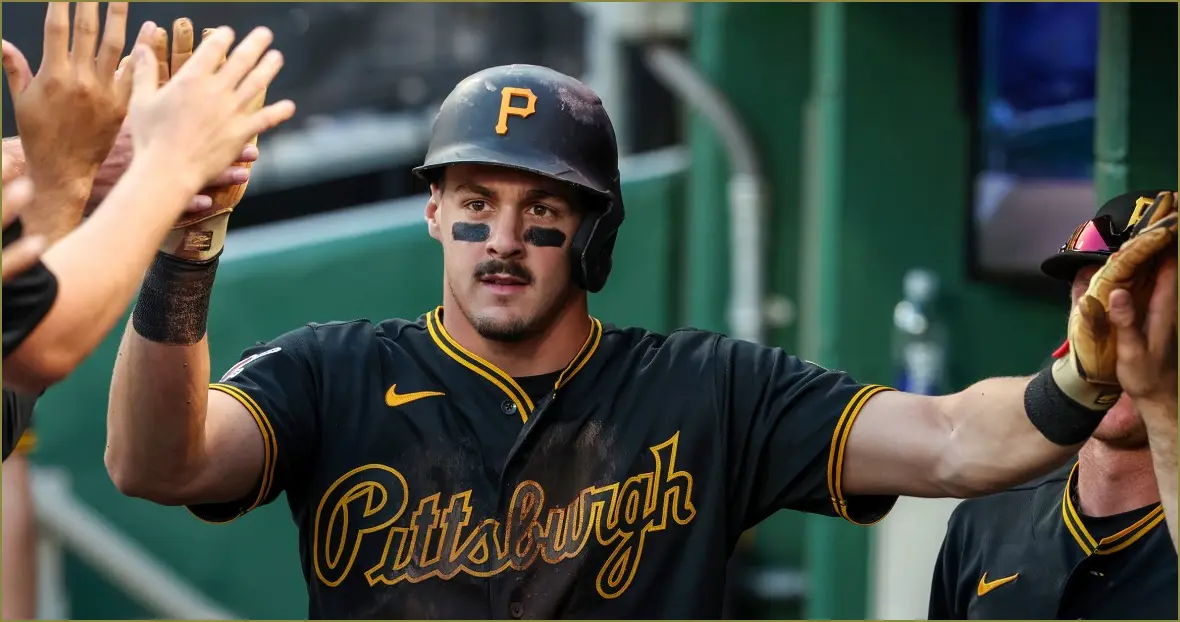
A few weeks back, the Seattle Mariners signed a 20-year-old prospect to a $95 million deal before he even played in the majors. Last week, the Pittsburgh Pirates also made headlines by signing Konnor Griffin, a 19-year-old shortstop, to a nine-year, $140 million contract just days into his big league career.
Most recently, the Detroit Tigers inked rookie 21-year-old shortstop Kevin McGonigle to an eight-year, $150 million agreement. At the time, he had played a mere 17 major league games.
What drives teams to offer such generous contracts to untested prospects? We explore the reasons below. Throughout the baseball season, expect more coverage here and on NBC News.
Spending Spree
This offseason, Pittsburgh Pirates owner Bob Nutting was eager to follow updates on contract negotiations for one specific player. He was so committed that he frequently “pestered” the front office for completion timelines.
Nutting was particularly interested in the negotiations involving Griffin, who had never had a major league at-bat at that time.
Why do teams agree to pay so much to players with little track record? It comes down to the framework of baseball’s business model. Once a player is called up from the minors, their rights are controlled by the team for a minimum of six years before they can reach free agency. During this time, players receive short-term contracts without the assurance of long-term security, and teams can release them at any moment without financial obligations.
When teams negotiate long-term contracts with prospects, they aim to secure rights that extend beyond this initial six-year period, compensating players with substantial guarantees in return.
“Teams recognize there are significant savings in signing these players,” MLB agent Scott Boras told NBC News. “They retain control for many additional years. The goal is to leverage that for economic advantage.”
