


Biotech Company Makes Strides in De-Extinction
A biotech firm focused on reviving extinct species announced on Tuesday that it has successfully birthed live chicks in a synthetic environment—a claim that has generated mixed feedback from both scientists and critics regarding its de-extinction goals.
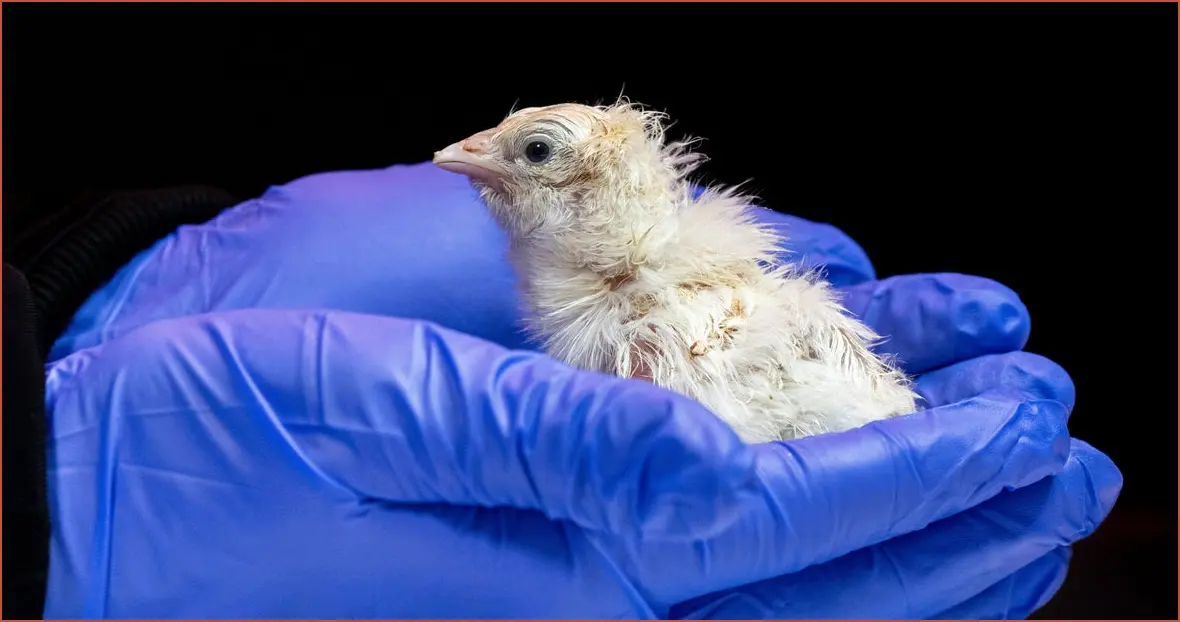
Colossal Biosciences reported that 26 baby chickens, aged from a few days to several months, were hatched using a 3D-printed structure designed to imitate an eggshell.
Previously, Colossal claimed to have created genetically modified animals resembling extinct species, including mice with long hair akin to the woolly mammoth and wolf pups designed to mirror dire wolves.
CEO Ben Lamm mentioned that the artificial egg technology could eventually be scaled to genetically modify living birds to resemble the South Island moa of New Zealand, an extinct giant bird that laid eggs 80 times bigger than a chicken’s, a task challenging for modern birds.
“Our goal was to enhance and scale something nature has effectively crafted,” Lamm stated. The company also shared images and videos of the chicks being handled by scientists.
Independent researchers acknowledge the technology’s novelty but argue that it still lacks critical elements to be recognized as a true artificial egg. They are skeptical about the feasibility of reviving extinct species.
To incubate the chicks, Colossal placed fertilized eggs in the artificial system and added calcium—usually sourced from the eggshell—monitoring their growth and development in real-time. While the artificial eggshell allowed for oxygen exchange like a natural egg, other essential components necessary for chick nourishment and waste removal were excluded. “It’s an artificial shell, but not a complete egg,” said evolutionary biologist Vincent Lynch.
