


Historical Discovery of Oldest English Poem
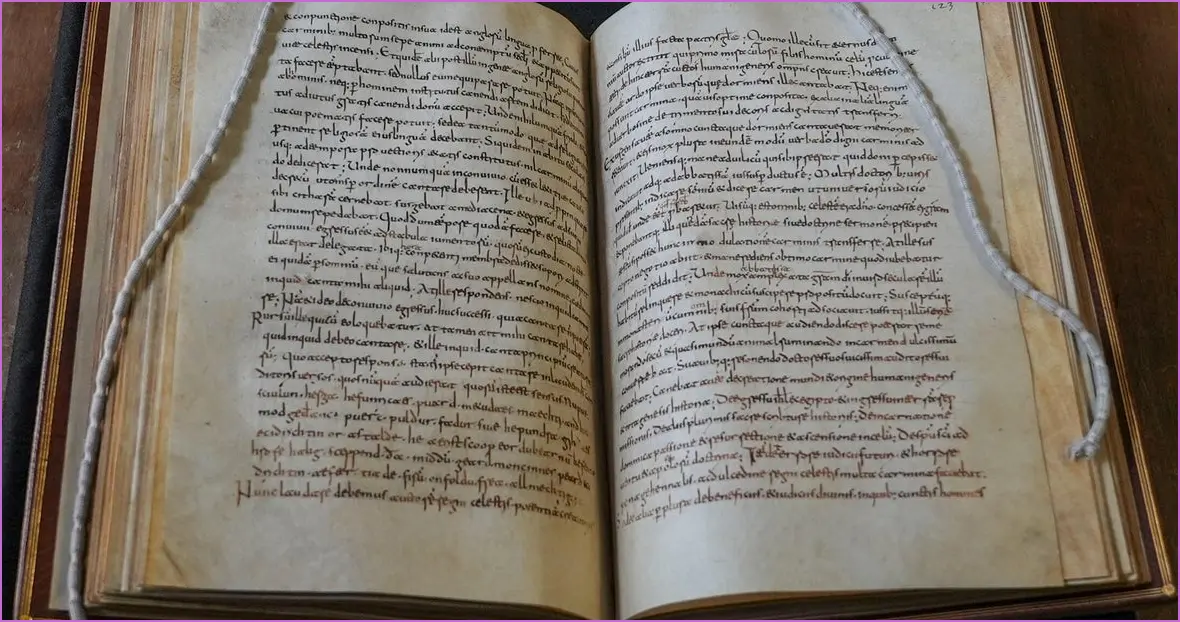
Researchers in Ireland were astonished as they explored digitized pages of a medieval manuscript discovered in a Roman library, leading to the revelation of the oldest surviving English poem.
Elisabetta Magnanti, a visiting research fellow at Trinity College Dublin, expressed her surprise: “We were speechless. We couldn’t believe our eyes when we first saw that,” as the poem was found embedded within the main body of Latin text.
Written in Old English by a Northumbrian agricultural worker in the 7th century, “Caedmon’s Hymn” is included in some versions of the “Ecclesiastical History of the English People,” authored in Latin by the monk and saint, the Venerable Bede. This historical work is among the most widely copied texts from the Middle Ages, with nearly 200 manuscripts, according to Mark Faulkner, associate professor of medieval literature at Trinity.
Faulkner highlighted the uniqueness of “Caedmon’s Hymn,” noting that while about three million words of Old English exist, most are from the 10th and 11th centuries. “This poem connects us to the earliest stages of written English,” he told CBS News.
The poem is regarded as the beginning of English literature, with a modern translation expressing themes of creation and divine authority. The manuscript found by Magnanti and Faulkner is one of the oldest known, dating back to the 9th century, differing from two previous copies that featured the poem as an afterthought in the margins.
This discovery offers new insights into the early prominence of the English language, predating prior findings by three centuries, as noted by Faulkner in Rome during their investigation of the text.
Caedmon is said to have composed the hymn after feeling embarrassed at a feast for not knowing any poems. After leaving the event, he dreamed of a figure instructing him to sing about creation, leading to the creation of his nine-line hymn. This manuscript journeyed across the Atlantic Ocean and changed hands numerous times before resurfacing in Rome. Monks transcribed it at the Benedictine abbey of Nonantola in Italy, and the manuscript eventually made its way through various collectors before reaching its current home in Rome.
