


Postponed Summit
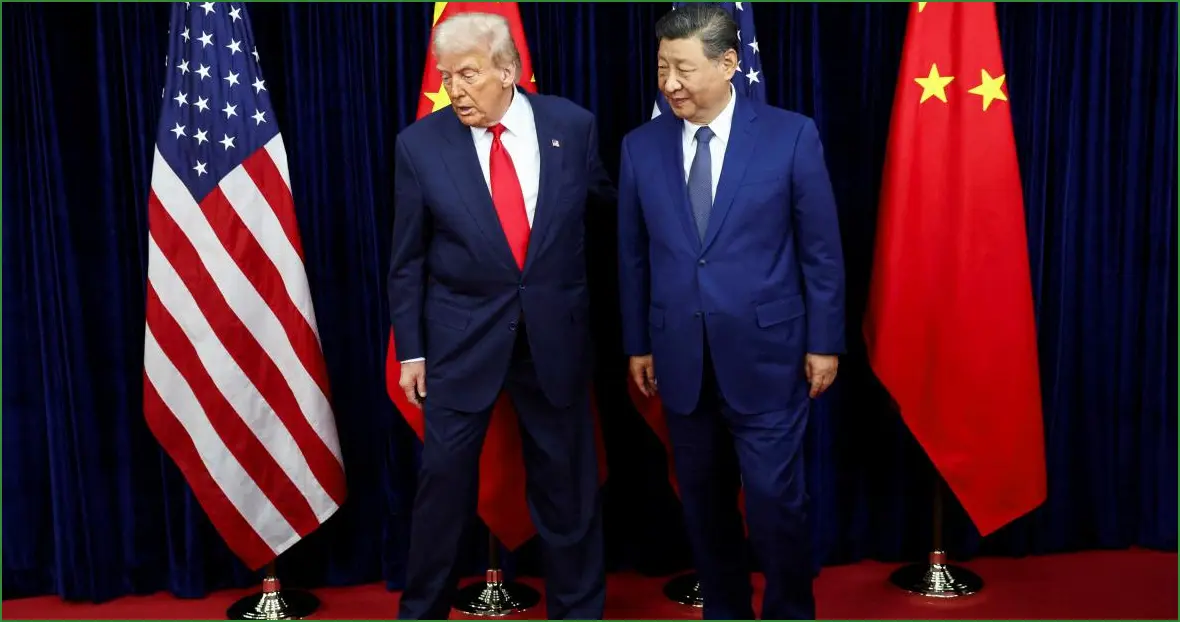
Initially, President Donald Trump planned to meet with Chinese President Xi Jinping at the end of March to reinforce the crucial U.S.-China relationship. However, as crises unfolded in the Middle East, and with escalating energy prices and the return of U.S. service members’ remains, Trump recognized that a trip to Beijing for such a high-profile meeting would not project well. Consequently, he delayed the trip to May. His failure to anticipate this convergence of crises—only eight days after announcing the summit and just before initiating military action against Iran—highlights his administration’s challenges in navigating multiple global issues, particularly those of its own creation.
Shifting Dynamics
The Trump administration has touted various objectives for its actions in Iran, including regime change and the dismantling of its nuclear infrastructure. Supporters of Trump have claimed that military actions against Iran may benefit the U.S. in its rivalry with China. Former Deputy National Security Adviser Matt Pottinger suggested the Iran conflict could disrupt China’s so-called “axis of chaos,” encompassing Iran, North Korea, and Russia. Additionally, Senator Lindsey Graham noted that U.S. interventions in oil-rich Iran and Venezuela, allies of China, could represent a nightmare scenario for Beijing.
China’s Advantage
However, the reality is starkly different. While China depends on energy imports through the Strait of Hormuz, it has taken steps to insulate itself from immediate supply disruptions. With the U.S. military engaged in the Middle East, China has been able to maneuver more freely in East Asia. By behaving erratically and breaching international norms, Trump allows China to position itself as a responsible peace mediator. Even if the U.S.-Iran ceasefire holds, the unpredictability of U.S. actions has harmed its international reputation and strained relations with its allies.
Strategic Withdrawals
When the U.S.-China summit eventually occurs, Xi is likely to hold significant negotiating power. As the U.S. expends military and political resources in the Middle East, China prepares to capitalize on the situation to advance its interests. A distracted Trump may trade valuable American assets for short-term gains, potentially creating a disadvantageous agreement with the U.S.’s primary competitor, which could jeopardize American security and prosperity for years to come.
Global Repercussions
Trump’s military intervention in Iran has weakened the U.S. security framework in the Indo-Pacific, allowing China to assert itself. By reallocating military resources from East Asia to the Middle East, including one of its key aircraft carriers, the U.S. has signaled a disregard for its allies’ sacrifices. This shift reduces U.S. deterrent capabilities against threats from North Korea and China, raising concerns about American commitment to its partnerships in Asia.
Beijing’s Strategic Gains
The conflict in Iran offers China insights into U.S. military strategies, which it can study to enhance its own tactics. Observing U.S. military operations allows China to adjust its defenses and attack methodologies for any future confrontations. Moreover, with the disruption of oil exports, China stands to gain by positioning itself as a stabilizing force in global markets while the U.S. grapples with the fallout of its unilateral decisions.
Future Outlook
Despite higher energy prices affecting China’s economy, the nation’s resilience and the security of its energy supplies suggest it is relatively insulated from immediate crises. China’s focus on renewable energy and the buildup of substantial reserves bolster its ability to weather disruptions. As the U.S. remains embroiled in these conflicts, its influence wanes, and China has the potential to step in as a dominant player in the region, thereby reshaping the balance of power in the Middle East.
