


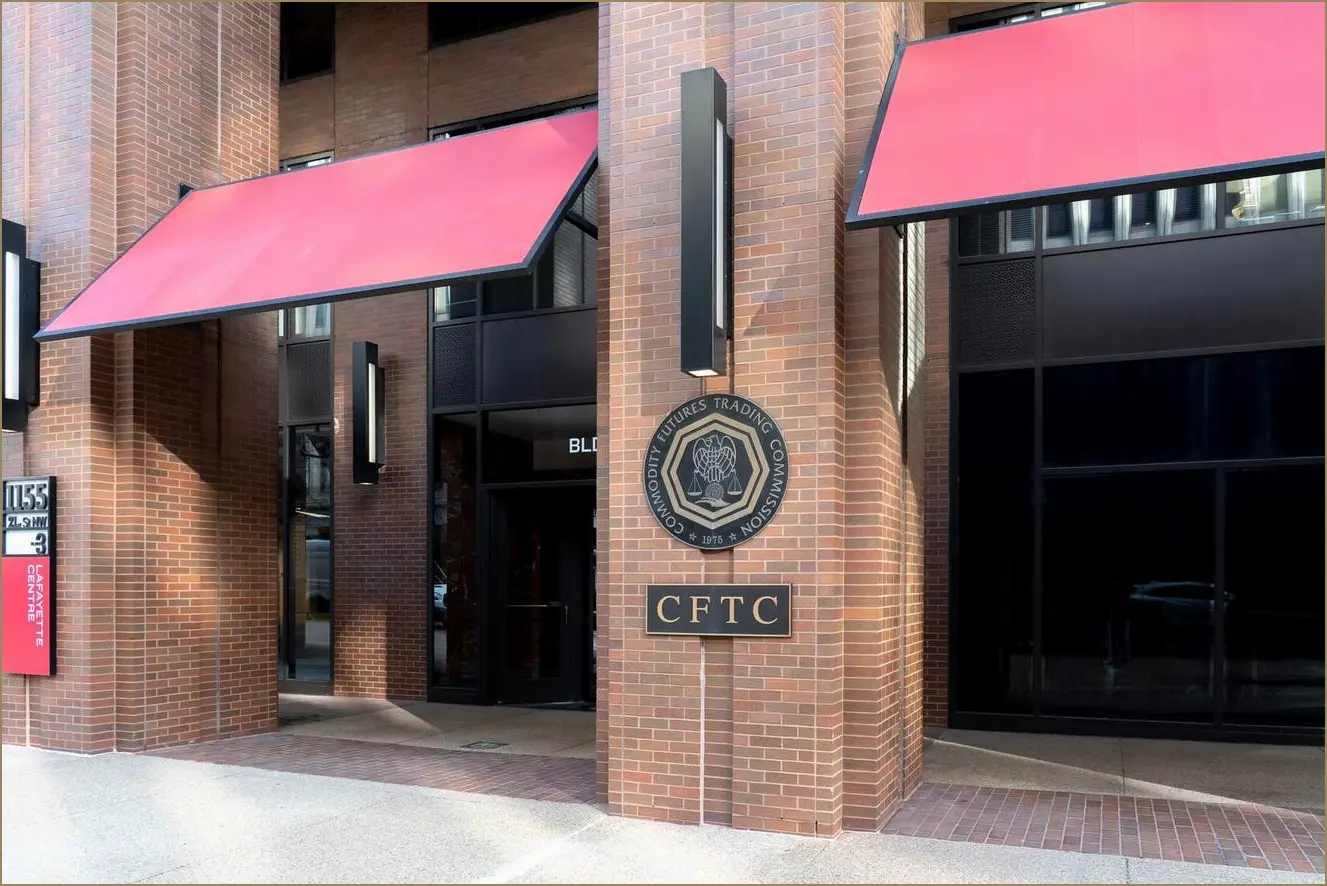
A view of the U.S. Commodity Futures Trading Commission (CFTC) headquarters in Washington, D.C., as lawmakers proceed with the CLARITY Act, which would expand CFTC oversight over cryptocurrency markets amidst ongoing reductions in staffing and regulatory changes.
getty
The CFTC currently has 556 full-time employees, significantly fewer than the SEC, which boasts over 4,000. The Senate Banking Committee recently marked up the CLARITY Act, aiming to designate the smaller agency to regulate U.S. cryptocurrency spot markets—a sector that recorded a remarkable $18.6 trillion in global transactions last year, with expectations of growth through 2026.
The political battle surrounding CLARITY is familiar territory, pitting the SEC against the CFTC and traditional banks against exchanges. The implementation struggle will be less clear-cut and will depend on the CFTC’s capability to draft new rules, establish supervisory teams, and manage registration applications within the stipulated timeframe.
The 21% Staff Reduction
The CFTC’s full-time equivalent staffing decreased from 708 at the end of fiscal 2024 to 556 by the end of fiscal 2025, reflecting a 21% drop in a single year, as reported by the agency’s inspector general. The allocated budget for fiscal 2026 is $365 million, whereas the SEC operates on a budget of about $2.1 billion. The CLARITY Act will likely impose a workload on the smaller agency akin to that of Dodd-Frank.
Permanent Rules with Temporary Funding
Liz Davis, a former enforcement attorney with the CFTC, likened the impending workload to that of Dodd-Frank, which required roughly five years for the CFTC to implement, at a peak staffing level exceeding 700 employees. The Senate Agriculture Committee has recognized these challenges, proposing an additional $150 million for the CFTC and enabling the agency to impose annual and volume-related fees on new digital commodity registrants. However, these provisions are set to expire after four fiscal years, raising concerns about the sustainability of a permanent regulatory framework.
One Commissioner with an Expanding Mandate
The growing scale of duties compounds the budgetary issues. Various entities, including cryptocurrency exchanges and asset managers, are vying for the same CFTC application reviews, all while the agency operates with just 556 staff. Chairman Michael Selig, confirmed in December 2025, is navigating an expanding remit that includes not only CLARITY but also oversight of prediction markets and other initiatives.
Planning for Ambiguity
The central question for the cryptocurrency industry is not if CLARITY will pass, but rather what the regulatory landscape will look like during the transition from law to rulebook. Title IV’s registration rules are designed to take effect 270 days post-enactment, but if the CFTC fails to establish regulations in time, the industry may have to operate under provisional statuses. Consequently, businesses should prepare for flexibility given the uncertainty surrounding regulatory guidelines.
While CLARITY outlines the necessary regulatory framework, Congress’s requests for Dodd-Frank-level rulemaking, based on outdated funding mechanisms and a significantly reduced workforce, could lead to delays beyond what the bill suggests.
