


It’s becoming increasingly difficult for Kremlin officials to depict the war in Ukraine, now entering its fifth year, as a remote issue that doesn’t influence the daily lives of Russian citizens.
From frustrating internet outages to the recent, toned-down Victory Day parade and a significant aerial assault in the Moscow region that resulted in three fatalities, it’s clear that Russia’s ongoing war is no longer a distant affair.
Ukrainian President Volodymyr Zelenskyy framed the attack in suburban Moscow as a justified retaliation for the relentless and deadly Russian missile and drone strikes against Kyiv and other cities in the preceding week.
Significant Attack from Ukraine
The Russian Defense Ministry reported that its air defenses intercepted 1,054 Ukrainian drones in just 24 hours, marking one of the highest numbers recorded. Moscow’s mayor, Sergei Sobyanin, stated that 81 drones were shot down in the capital over the weekend.
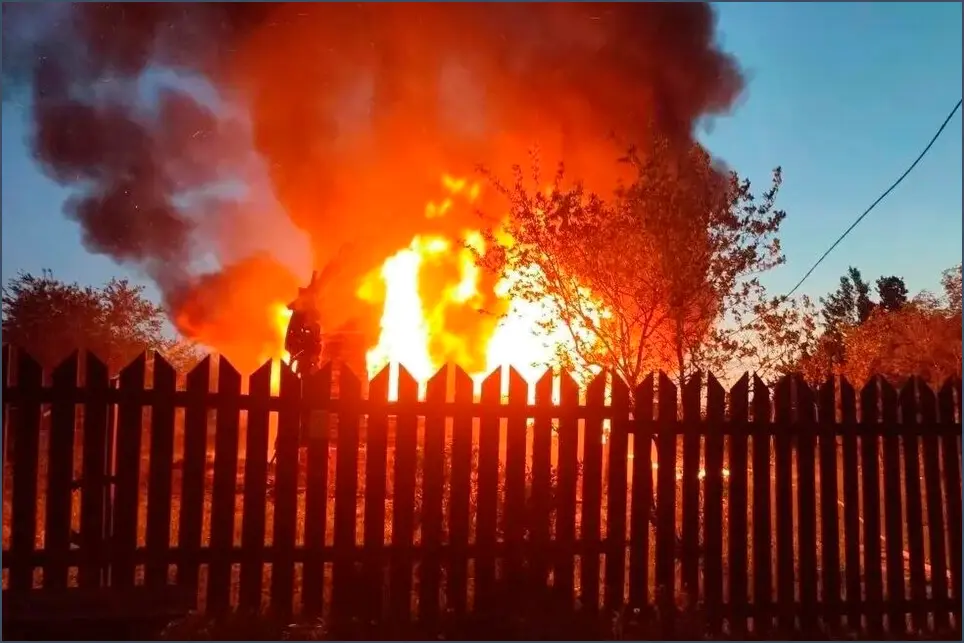
The attacks resulted in three deaths near Moscow, injured 12 individuals, and caused damage to several apartment buildings and private homes. One drone struck a Moscow refinery but did not disrupt production, while another hit an oil tank at a storage facility, igniting a fire that filled the sky with black smoke.
Expanding Drone Capabilities of Ukraine
Ukraine’s success in breaching Moscow’s extensive air defenses highlights its increasing drone capabilities and improved tactics. Kyiv has consistently intensified drone raids targeting energy plants and arms factories, although striking the capital presents unique challenges.
“The Moscow region is heavily fortified with Russian air defense systems,” Zelenskyy remarked in a national address, adding that “our long-range capabilities are reshaping the situation and altering global perceptions of Russia’s conflict.”
Modified Victory Day Celebrations
The drone strikes ensued after a brief U.S.-brokered ceasefire that did not end hostilities but curtailed long-range attacks, allowing Moscow to conduct a scaled-back May 9 military parade commemorating the defeat of Nazi Germany in WWII. Due to concerns regarding Ukraine’s drone capability, the parade was notably less extravagant; tanks and missiles were notably absent.
Rising Discontent in Russia
The attacks coincided with escalating tensions within Russia regarding the financial burden of the war and increasingly strict government policies that have affected Putin’s traditionally high approval ratings. Military bloggers and social media influencers who were once supportive of the Kremlin have begun to openly challenge government strategies.
Recent government actions limiting mobile internet access and blocking popular messaging applications led to significant business losses and disruptions in daily life, sparking public discontent. While officials justified these restrictions as necessary to hinder Ukrainian drone attacks, critics argue they represent a further tightening of internet control.
